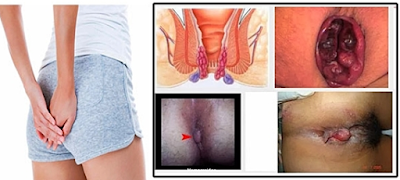
ciri kutil kelamin sembuh - Kondiloma Akuminata adalah benjolan kecil yang tumbuh di sekitar area kelamin dan Lubang Dubur. Penyakit ini bisa dialami siapa saja yang aktif secara seksual. Kutil kelamin berbeda dengan kutil yang tumbuh di bagian tubuh lain, karena kondisi ini termasuk infeksi menular seksual.
ciri kutil kelamin sembuh - Kutil Kemaluan berukuran kecil dan tidak mudah terlihat dengan kasat mata. Akan tetapi kutil kelamin menyebabkan rasa gatal, sensasi seperti terbakar, serta Sakit dan perdarahan saat berhubungan intim.

Penyebab Kutil Kelamin
Kutil Kemaluan disebabkan oleh human papillomavirus (HPV). Penyebaran kutil kelamin terjadi melalui hubungan seksual, baik melalui vagina, maupun Lewat Mulut atau Lewat Anus. Di samping itu, virus juga bisa Berpindah ketika tangan penderita Kutil Kemaluan menyentuh kelamin sendiri, lalu menyentuh kelamin pasangannya.
Penyebaran Kutil kelamin juga dapat terjadi, akibat berbagi penggunaan alat bantu seks (sex toys). Pada kasus yang jarang terjadi, kutil kelamin dapat menular ke bayi, dari Wanita yang Mengidap virus. Perlu diketahui, Kondiloma Akuminata tidak menular melalui Sentuhan Mulut, atau media tertentu seperti Tempat Makan, handuk, dan toilet duduk.
Diagnosis Penyakit Jengger Ayam
Dokter dapat mendiagnosis pasien dengan melihat atau mendengar mengenai gejala yang dialami pasien. Apabila Kondiloma Akuminata tidak terlihat, maka dokter dapat meminta pasien menjalani tes seperti:
- Pap smear
- Kolposkopi
- Tes HPV-DNA
Cara Menghilangkan Kutil Kelamin
Penyakit Jengger Ayam tidak perlu diobati jika tidak menimbulkan gejala yang mengganggu. Bila kutil kelamin menyebabkan gejala dokter dapat mengobatinya dengan obat-obatan yang mengandung asam trikloroasetat. Dokter juga dapat mengobati pasien dengan prosedur bedah seperti:

- Eksisi
- Electrocautery
- Krioterapi
- Bedah laser
- Komplikasi Kutil Kelamin
Ada Sebagian komplikasi yang dapat disebabkan oleh Kondiloma Akuminata, antara lain:
- Memicu terjadinya kanker di daerah kemaluan, mulut dan tenggorokan.
- Gangguan saat kehamilan.
- Bayi yang terlahir dari ibu dengan kutil kelamin berisiko mengalami infeksi kutil di ternggorokan.
Kutil Kemaluan dapat dicegah dengan sejumlah cara, seperti:
- Tidak melakukan Berganti Pasangan.
- Gunakan kondom setiap berhubungan Intim.
- Tidak berbagi alat bantu seks.
- Mendapat imunisasi HPV.
Kutil kelamin berukuran kecil, dengan warna serupa kulit atau sedikit lebih gelap. Oleh karena itu, kutil kadang sulit terlihat dengan kasat mata. Ketuat dapat tumbuh secara tunggal, dan bisa juga berkelompok serta membentuk struktur seperti kembang Kobis.
Meskipun Terkadang tidak terlihat, Ketuat Kelamin tetap dapat menimbulkan sejumlah gejala, antara lain gatal dan rasa tidak nyaman di area kelamin, sensasi seperti terbakar, serta nyeri dan perdarahan saat berhubungan intim.
Pada Laki-Laki, Kutil kelamin dapat tumbuh di sejumlah area, seperti:
- Batang atau ujung penis
- Kantung buah zakar
- Selangkangan
- Paha bagian atas
- Sekitar atau di dalam anus.
Sedangkan pada Ibu Hamil, Kutil kelamin dapat tumbuh di:
- Dinding vagina
- Vulva (bagian luar vagina)
- Daerah antara vagina dan anus (perineum)
- Di dalam vagina atau di dalam anus
- Leher rahim.
Selain pada kelamin dan area di sekitarnya, kutil kelamin juga dapat tumbuh di lidah, bibir, mulut, dan tenggorokan. Kondisi ini biasanya terjadi akibat melakukan seks oral dengan orang yang terinfeksi Kondiloma Akuminata.
Kutil Kemaluan disebabkan oleh human papillomavirus (HPV). Meskipun terdapat lebih dari 120 jenis virus HPV, hanya 30-40 jenis virus HPV yang menular melalui kontak seksual. Dari 30 jenis virus HPV tersebut, 90 persen kasus kutil kelamin disebabkan oleh virus HPV tipe 6 dan HPV tipe 11.

Faktor Risiko Kondiloma Akuminata
Individu yang aktif secara seksual lebih berisiko terserang Penyakit Jengger Ayam, terutama jika Melakukan seks dengan orang yang terinfeksi HPV. Risiko terinfeksi akan lebih besar bila berhubungan intim dengan lebih dari satu partner seksual, tanpa mengenakan Alat Kontrasepsi.
Sejumlah faktor lain yang memperbesar risiko seseorang menderita Kutil Kemaluan adalah:
- Sedang Mengandung
- Merokok
- Memiliki sistem kekebalan tubuh lemah
- Aktif secara seksual dalam usia relatif muda
- Pernah menderita infeksi menular seksual lain
- Memiliki riwayat kekerasan seksual saat masih kecil
- Berhubungan Senggama dengan seseorang yang tidak diketahui riwayat kehidupan seksualnya
Kutil Kemaluan tidak perlu diobati bila tidak menimbulkan gejala yang mengganggu. Bahkan pada beberapa Kejadian, Penyakit Jengger Ayam dapat hilang dengan sendirinya. Namun bila penderita merasa gatal, nyeri atau sensasi terbakar pada kelamin, dokter dapat meresepkan obat dalam bentuk krim, seperti asam trikloroasetat. Obat ini bekerja dengan membakar Kutil Kemaluan, dan bisa digunakan pada kutil di kelamin bagian dalam. Efek samping obat ini meliputi iritasi kulit dan Sakit pada kulit.

Selain menggunakan obat, dokter juga dapat menyarankan prosedur Operasi untuk Mengatasi Penyakit Jengger Ayam. Bedah akan disarankan pada pasien yang tidak respons dengan pemberian obat-obatan di atas, atau pada Kutil Kemaluan berukuran besar. Sejumlah prosedur Pengangkatan untuk Kondiloma Akuminata meliputi:
Eksisi. Dalam metode eksisi, kutil Ketuat akan dipotong dan dibuang menggunakan pisau bedah. Prosedur ini umumnya menimbulkan efek samping berupa nyeri yang timbul setelah bedah.
Electrocautery. Electrocautery atau bedah listrik adalah metode bedah yang menggunakan listrik untuk membuang jaringan abnormal, termasuk kutil kelamin. Metode ini juga dapat digunakan untuk menghentikan perdarahan setelah Bedah, dan mencegah infeksi.
Krioterapi. Penyakit Jengger Ayam dapat dihilangkan dengan krioterapi, yaitu prosedur yang menggunakan nitrogen cair dengan suhu minus 195 derajat Celsius. Krioterapi cukup efektif untuk menghilangkan kutil berukuran kecil. Namun bila ukuran Penyakit Jengger Ayam cukup besar, dokter akan menjalankan krioterapi hingga beberapa kali. Pada umumnya, 50-60 persen kutil hilang setelah 3-4 kali krioterapi. Meskipun dapat Menyembuhkan kutil, krioterapi tidak menjamin kutil hilang sepenuhnya. Pada beberapa kasus, Kutil Kemaluan dapat tumbuh kembali.
Bedah laser. Bedah laser umumnya digunakan untuk mengangkat kutil yang sulit dihilangkan dengan prosedur lain. Dalam prosedur ini, laser digunakan untuk menghancurkan pembuluh darah di dalam kutil, sehingga kutil mati dan dapat diangkat. Laser juga digunakan untuk membunuh virus penyebab kutil. Bedah laser dapat digunakan untuk menghancurkan kutil yang sulit dicapai, misalnya di uretra (saluran yang membawa urine dari kandung kemih ke luar tubuh). Efek samping yang timbul akibat bedah laser bisa berupa terbentuknya jaringan parut di area yang dibedah.
Perlu diingat, jangan merokok selama menjalani Terapi Kutil Kemaluan. Beberapa penelitian menunjukkan hasil pengobatan yang lebih baik pada penderita yang tidak merokok. Pasien juga disarankan tidak menggunakan losion atau sabun mandi yang mengandung parfum, karena dapat menyebabkan iritasi pada kulit. Selain itu, tunda hubungan seks atau kenakan Pengaman saat berhubungan seks, hingga Kondiloma Akuminata hilang.

Komplikasi Kutil Kelamin
Bila tidak di Obati, Kutil kelamin dapat tumbuh membesar dan lebih sulit untuk dihilangkan. Di samping itu, risiko menginfeksi pasangan seksual juga akan lebih besar.
Beberapa jenis virus HPV juga berisiko memicu pertumbuhan sel kanker di dalam serviks. Selain kanker serviks, penderita juga dapat terserang kanker vulva, kanker anus, kanker penis, serta kanker mulut dan tenggorokan.
Komplikasi lain yang dapat terjadi akibat Kutil kelamin adalah gangguan dalam masa kehamilan. Kutil kelamin yang membesar bisa membuat penderitanya sulit buang air kecil, serta dapat mengurangi peregangan vagina saat proses bersalin. Bahkan, kutil kelamin pada vagina atau vulva dapat mengalami perdarahan saat melahirkan.
Meskipun jarang terjadi, bayi yang lahir dari ibu dengan Kutil kelamin dapat terinfeksi kutil di tenggorokannya. Pada kasus tersebut, operasi harus dilakukan agar sistem pernapasan bayi tidak tersumbat oleh kutil.
Demikianlah Tulisan Sederhana Ini Semoga Dapat Membantu Serta Memberi Manfaat, Jika Ingin Konsultasi Lebih Lanjut Mengenai Perawatan Kutil kelamin Terbaik Secepatnya Hubungi Kami
Baca Juga :